
-
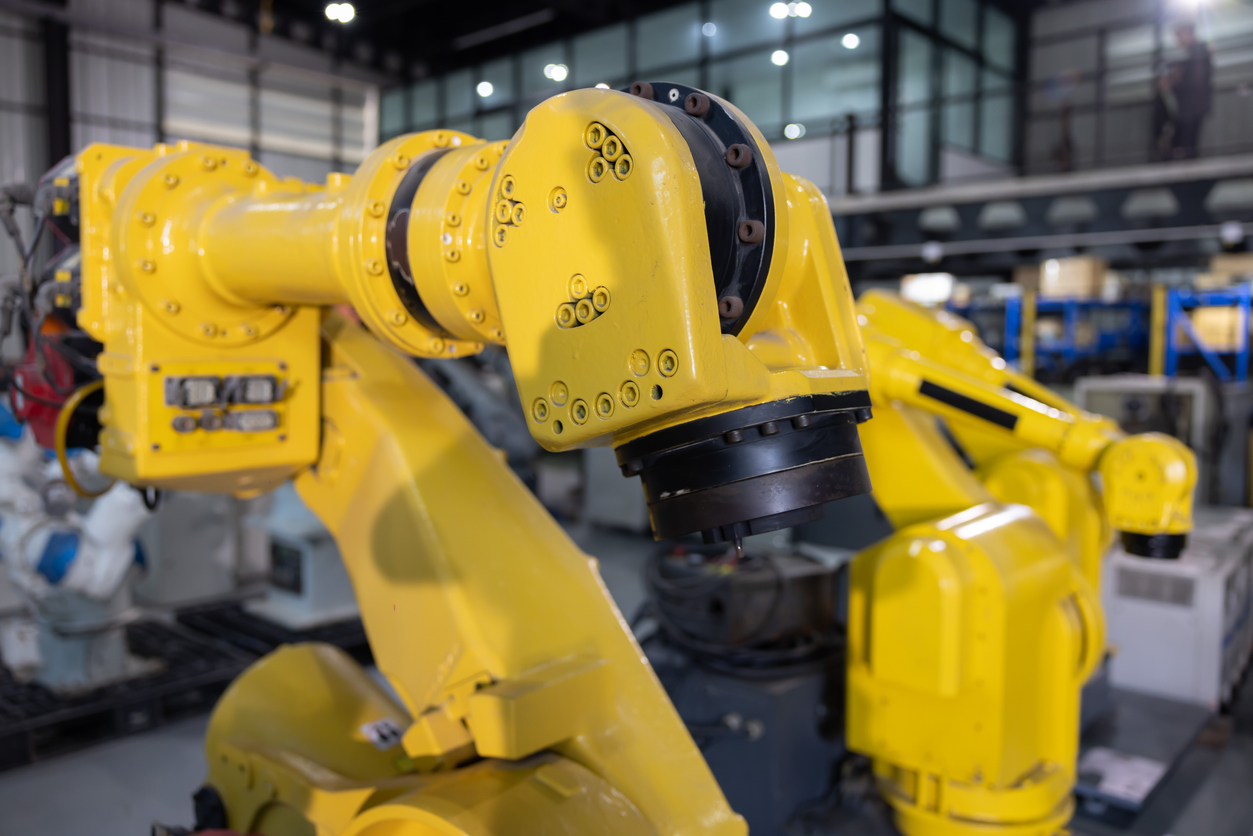
The Power of Prevention: Essential Robot Maintenance
Robots are high-performance pieces of capital equipment. Just like any heavy industrial machinery, robotic arms, controllers, and end-effectors are susceptible to mechanical wear, thermal degradation, and sudden electrical breakdowns over time. However, avoiding catastrophic equipment failure and crippling emergency downtime comes down to one fundamental practice: disciplined routine maintenance. Preventive maintenance (PM) is inherently…
-

Fear vs. Function: How to Introduce Your Team to Their New Metallic Teammates
Automation can feel like an intimidating subject. With the rapid pace at which factory technology is advancing, that hesitation is completely understandable. However, there are immense operational and personal advantages to exploring the world of robotics and seeing how collaborative automation can transform your plant floor. To unlock those benefits, it is time to…
-
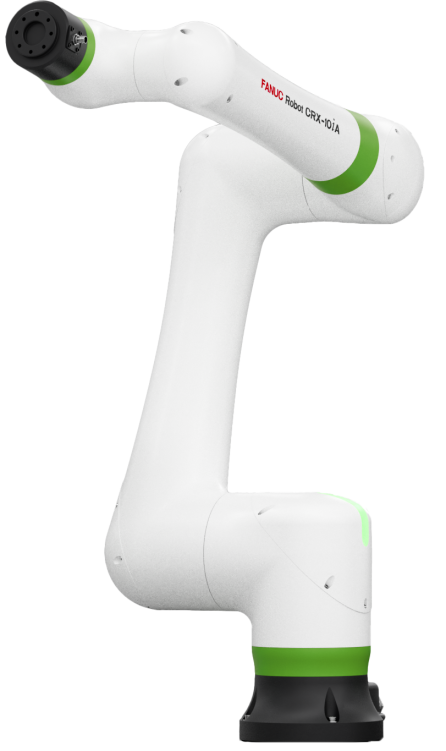
The Swiss Army Arm: One Robot, Infinite Roles Through Reprogramming
Imagine this: after the careful organization of products, your factory floor employees must package a box, pick and place it into lines, and repeat that exact sequence for numerous stacks until the shipment is ready to be forklifted onto a truck. However, after years of performing this continuous, repetitive task, your team begins to…
-

The Sound of Productivity: Why Quieter Factories Work Smarter
Noise pollution affects millions of workers every year. While most people associate loud workplaces with temporary ringing in the ears after a long shift, the impact often goes much deeper. But what exactly is noise pollution, and what can manufacturers do to reduce it? Noise pollution is repeated exposure to loud sounds that can…
-
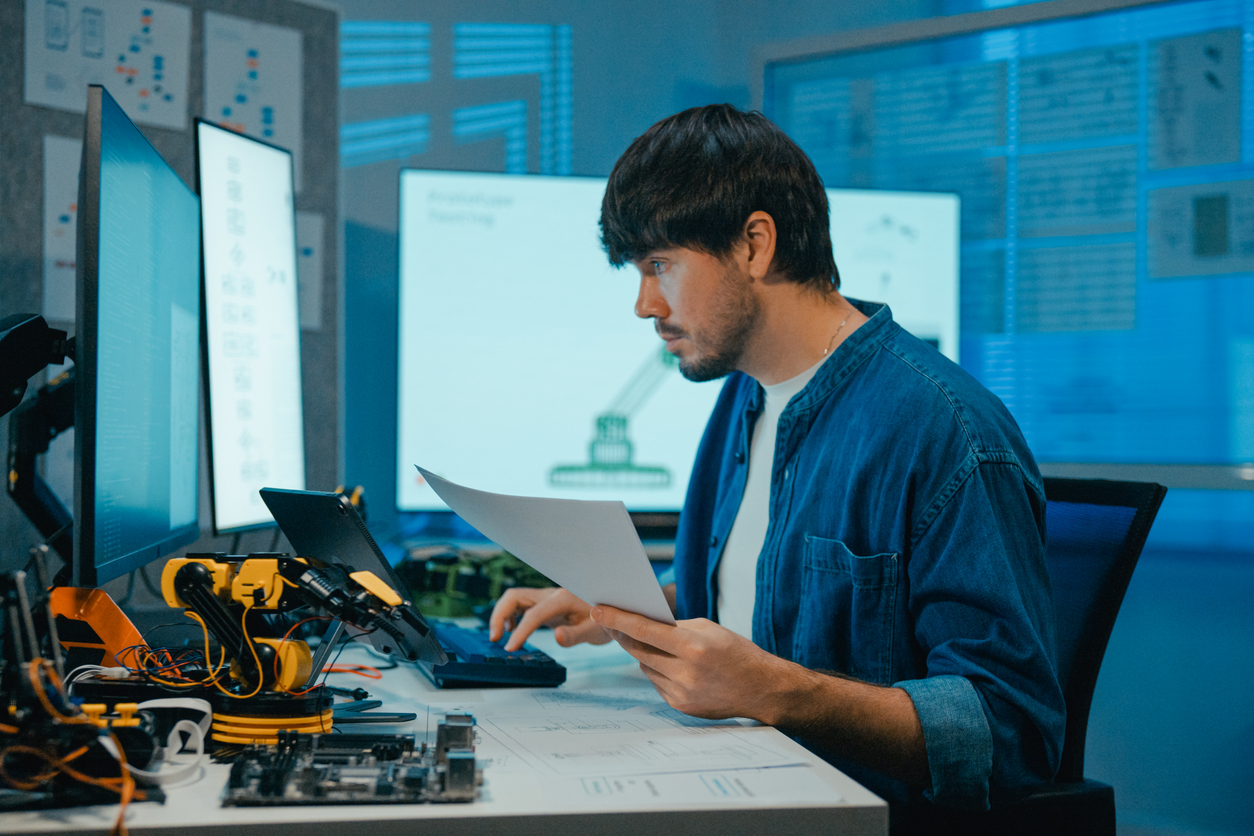
Should Humans Be Working the Night Shift?
For manufacturers across the country, the ideal operation is one with high employee morale, minimal fatigue, and consistent production. While that may be the goal, the reality is often much different. Around-the-clock manufacturing has become increasingly common as businesses work to meet growing domestic demand, global competition, and customer expectations for shorter lead times.…
-
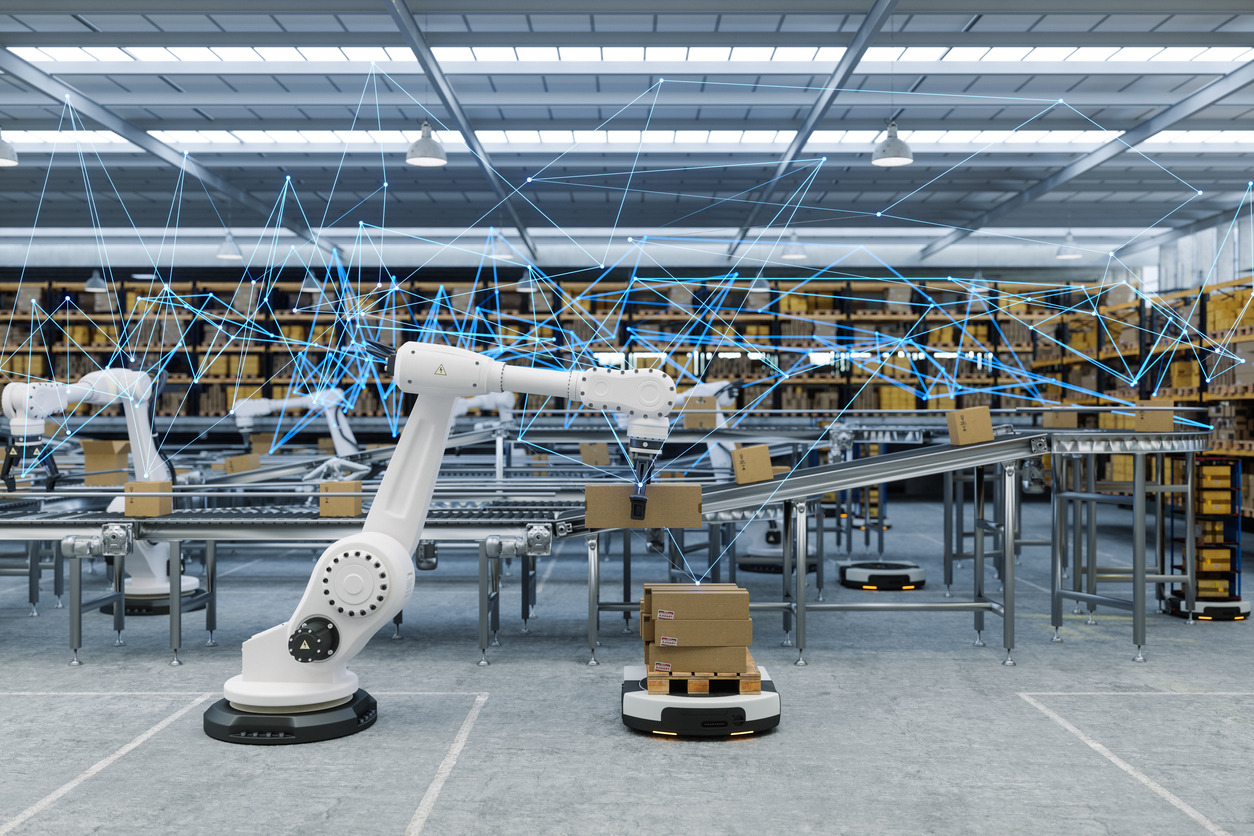
The Human Threshold: Why Automation is the Ultimate Safety Net for Modern Manufacturing
Manufacturing is one of the very few industries on earth where the work simply never stops, refusing to halt for weekends, major holidays, or national celebrations. It is the invisible engine keeping society moving; The sole reason our grocery store shelves remain fully stocked, our vehicle gas tanks stay full, and structural metal materials…
-

The Digital Shadow: How Cobots Are Replicating the Touch of Master Craftsmen
What started with simple, groundbreaking machinery during the Industrial Revolution of the 1800s eventually paved the way for Henry Ford’s assembly line. Today, in the 21st century, a new era of automation is sweeping across factory floors nationwide. Whether through advanced industrial robotics or collaborative robots (cobots), these cutting-edge technologies are no longer just…
-

Beyond the Clock: How Automation Creates an Infinite Shift
Every manufacturer has the same limitation: twenty-four hours. You can add equipment, you can expand facilities, and you can hire more employees, but no operation can create more time. Or can it? For decades, manufacturing plants have operated on schedules that look like this: Production starts, employees run the line, the shift ends, and…
-

Bridging the Gap Between Legacy Equipment and Modern Robotics
Walk into almost any manufacturing facility today, and you’ll find an interesting mix of technology. A robotic cell installed last month may be operating alongside a machine that has been running reliably since the late 1990s. While manufacturers are eager to improve efficiency through automation, replacing every piece of equipment on the floor simply…
-

Beyond Manufacturing: Surprising Ways Robots Are Being Used Today
When most people think about robotics, they picture a manufacturing floor. Welding arms, palletizing systems, packaging lines, and automated assembly have become some of the most recognizable uses for industrial robots. Industries like automotive and food production continue to lead the way in automation for good reason: they rely heavily on speed, consistency, and…